
Trends in the bubble tea industry
2026-02-01
The bubble tea industry has transitioned from its early "wild growth" phase into an era of "stock competition" and "refined operation". The future trend will no longer be solely about "opening more stores", but rather about product iteration, efficiency improvement, health-oriented transformation, and global expansion.
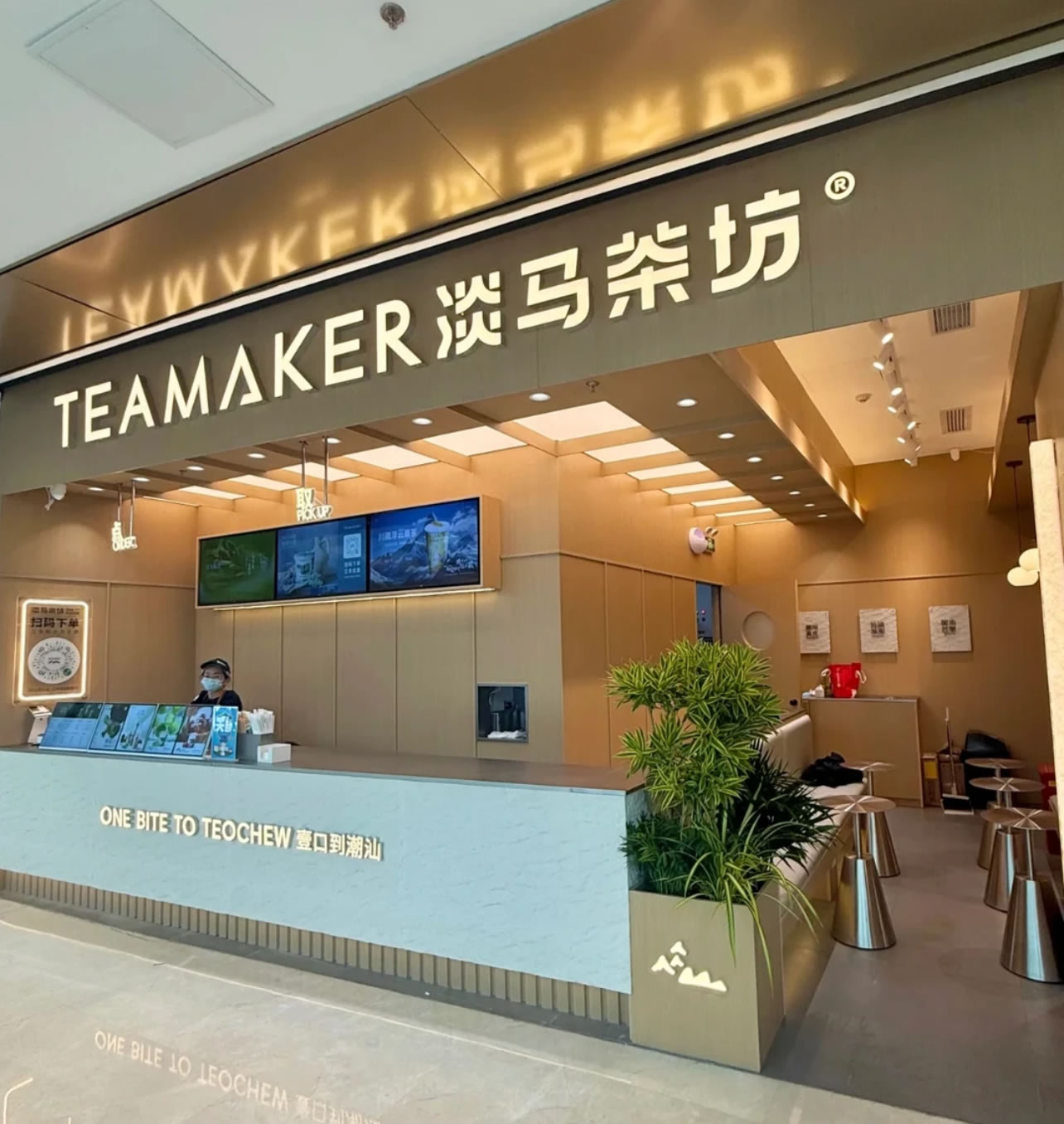
Here are the six core trends for the future development of bubble tea shops:
1. "Health-oriented" and "Functional" have become standard features
Consumers' attention to health has reached an unprecedented level, with "drinking milk tea won't make you fat" or "drinking milk tea is beneficial to health" being the biggest pain points.
Raw material transparency: Brands will continue to emphasize "0 non-dairy creamer", "0 trans-fatty acids", and "real milk, real tea". Clean label will become the basic threshold.
Functional ingredient addition: Similar to the concept of "medicine and food are of the same origin," it will become popular. For example: adding ingredients such as ass hide glue, black sesame, collagen (for beauty), ginseng, turmeric (for health preservation), and probiotics (for digestion assistance).
Sugar reduction technology: In addition to traditional sugar substitutes, natural sugar substitutes (such as Arhat sugar and erythritol) will have a higher penetration rate, and even services for "gradual sugar control" may emerge.
2. Price segmentation: high-end products retreating, while mid-to-low-end products competing fiercely (with ultimate cost-effectiveness)
As consumption becomes more rational, the pricing structure of the bubble tea market is undergoing reshaping.
Mid-range brand extinction crisis: The once main battleground of 15-20 yuan is shrinking. Consumers are either choosing brand experiences like Heytea and Nayuki's Tea (in the 10-15 yuan range after price reduction), or opting for brands like Mixue Bingcheng and Hushang Ayi that offer exceptional value for money.
Ultimate cost-effectiveness is king: The success of Mixue Bingcheng proves the huge potential of the lower-tier market. In the future, more brands will tap into the low-end market priced under 10 yuan by compressing supply chain costs and optimizing operational models.
3. The boundaries between "tea-coffee fusion" and "wine-coffee fusion" are blurred
In order to break the growth bottleneck, bubble tea shops have begun to erode the market share of coffee and alcoholic beverages.
Morning Coffee, Afternoon Tea: An increasing number of bubble tea brands are incorporating "fresh bubble tea" or "fruit coffee" products into their menus, aiming to capture consumers across all time slots.
Micro-drinking Track: Adapting to the "night economy", pre-mixed alcoholic milk tea, alcoholic bubble tea, and other products will become popular among young people as social drinks after dinner.
4. Operational model: small-scale, automation, and digitalization
In order to combat high rent and labor costs, the single-store model will undergo a qualitative change.
Small store model: Large stores of over 50 square meters will decrease, and will be replaced by smaller stalls or takeout specialty shops of 20 square meters or even smaller. This greatly reduces rental pressure and decoration costs.
Intelligent production: Intelligent devices such as robotic arms, automatic tea-making machines, and automatic milk frothing machines will become widespread. This will not only address the difficulty in recruiting workers but also ensure standardized taste for every cup of tea.
Private domain traffic operation: Relying on public domain traffic (casual customers on the street) is too costly. The key to future profitability lies in the brand's own APP and mini-program communities (private domains), where loyalty is maintained through member points and stored value.
5. Marketing focus: shifting from "taste" to "emotional value"
The mere "deliciousness" is no longer sufficient to prompt consumers to share on social media, as bubble tea is emerging as a form of social currency.
Collaboration normalization: Collaborative IP marketing with games, anime, luxury goods, and museums will continue. What consumers buy is not the milk tea, but the peripheral patterns printed on the cups and their collectible value.
Peripheral products: milk tea cups, bags, and even complementary baked snacks all need to possess high "appearance value" to satisfy consumers' desire to share.
6. Going global: From "attempt" to "must-have"
The domestic market is becoming saturated, and overseas markets, especially in Southeast Asia and North America, have emerged as new growth points.
Supply chain output: It's not just about opening stores, but also about the export of China's tea beverage supply chain. Brands like Mixue Bingcheng and Heytea have already expanded on a large scale in Southeast Asia.
Cultural export: The unique Chinese concepts of "fruit tea" and "fresh milk tea" differentiate themselves from the "powdered milk tea" popular in Europe and America, and possess strong competitiveness.
Summary:
In the future, it will no longer be so easy for bubble tea shops to make money.
In the past, "you can make money as long as you start a business". In the future, it will be the era of players who have "strong supply chains, distinctive brand IPs, and a strong focus on efficiency". For individual entrepreneurs, joining a mature brand with strong backing or deepening in a niche area (such as pure Chinese health tea) may have more opportunities than blindly creating their own brand.